


Schließen


China Introduces Fifth Wheel Contact Area Standard
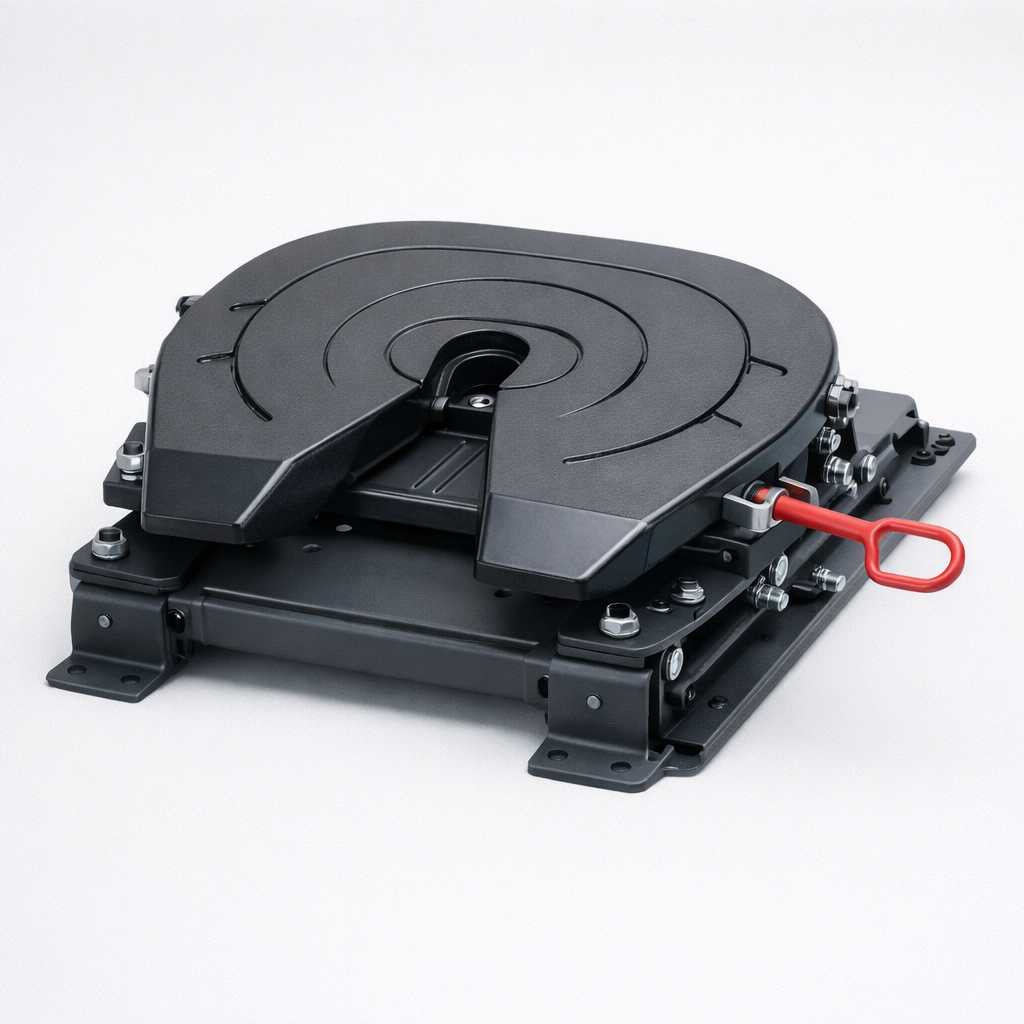
China has launched the development of a new CCC-related standard for automotive components, focusing on mechanical coupling requirements between tractors and semi-trailers. The proposed standard, Road Vehicles — Mechanical Couplings between Tractors and Semi-Trailers — Part 3: Requirements for Semi-Trailer Contact Area to Fifth Wheel, is currently in the drafting phase under the national standardization plan. This initiative reflects ongoing efforts to enhance safety and technical consistency within the China Compulsory Certification (CCC) framework for heavy vehicle components.
The project is managed by the National Technical Committee of Auto Standardization (TC114) and executed by its Trailer Subcommittee (TC114SC13), under the supervision of the Ministry of Industry and Information Technology (MIIT). Officially initiated on January 28, 2026, the standard is expected to be developed within a 12-month timeframe. Automotive components usually require CCC certification in order to be approved for import and sale in China.
Adoption of ISO Standard and Technical Requirements
The new Chinese standard is an identical adoption of ISO 1726-3:2023, ensuring full alignment with internationally recognized technical specifications. It defines detailed requirements for the contact area between the semi-trailer and the fifth wheel coupling device, a critical interface that directly affects vehicle stability, load distribution, and operational safety.
By standardizing the geometry and performance requirements of this contact area, the regulation aims to improve interchangeability and compatibility between tractors and semi-trailers. It also addresses safety concerns related to coupling integrity, especially under dynamic road conditions.
The drafting process involves key industry stakeholders, including the Research Institute of Highway under the Ministry of Transport, China Automotive Engineering Research Institute Co., Ltd., and CIMC Vehicles Group. Their participation ensures that the standard reflects both engineering best practices and regulatory expectations.
Implications for Compliance and Market Access
For manufacturers and suppliers of heavy-duty vehicle components, this development signals an important update in China’s regulatory landscape. Once finalized, the standard is expected to become part of the technical criteria assessed during CCC certification and type approval processes.
Companies exporting tractors, semi-trailers, or related coupling components to China may need to verify that their designs meet the specified contact area requirements. Adjustments to product design, testing procedures, and documentation may be necessary to demonstrate compliance.
In addition, testing laboratories and certification bodies will likely incorporate the new requirements into their evaluation protocols. This could lead to stricter conformity assessments for coupling systems used in road vehicles.
Overall, the introduction of this standard highlights China’s continued focus on improving vehicle safety and aligning national regulations with international benchmarks. Stakeholders should monitor the progress of the drafting process as it advances toward approval and publication. Further regulatory updates may be available through official standardization and certification channels.
For more information on how CCC certification, the CCC Self-Declaration and voluntary CCAP or CQC certification may affect your company, or for more information about CCC certification in general, please visit our News Section where you will find current updates twice a week.
Please do not hesitate to contact us for further details and consultation. You can contact us via email, Chat, or call us (UK: +44 2071931135, Europe: +49 69 2713769150, US: +1 773 654-2673).
You can also check our free CCC-Brochure, which can be downloaded as a PDF file. The brochure also contains information on the CCC Self-Declaration and the voluntary CQC- and CCAP-Certification).
 We are part of the CERTANIA-Group.