


Schließen


China Plans Mandatory CCC Standard For Electric Motorcycle Chargers
China is advancing a new regulatory initiative under the CCC certification framework with the development of mandatory safety requirements for chargers used in electric motorcycles and electric mopeds. The proposed national standard, currently under drafting, reflects growing regulatory attention to electrical safety and product reliability in China’s rapidly expanding electric two-wheeler market.
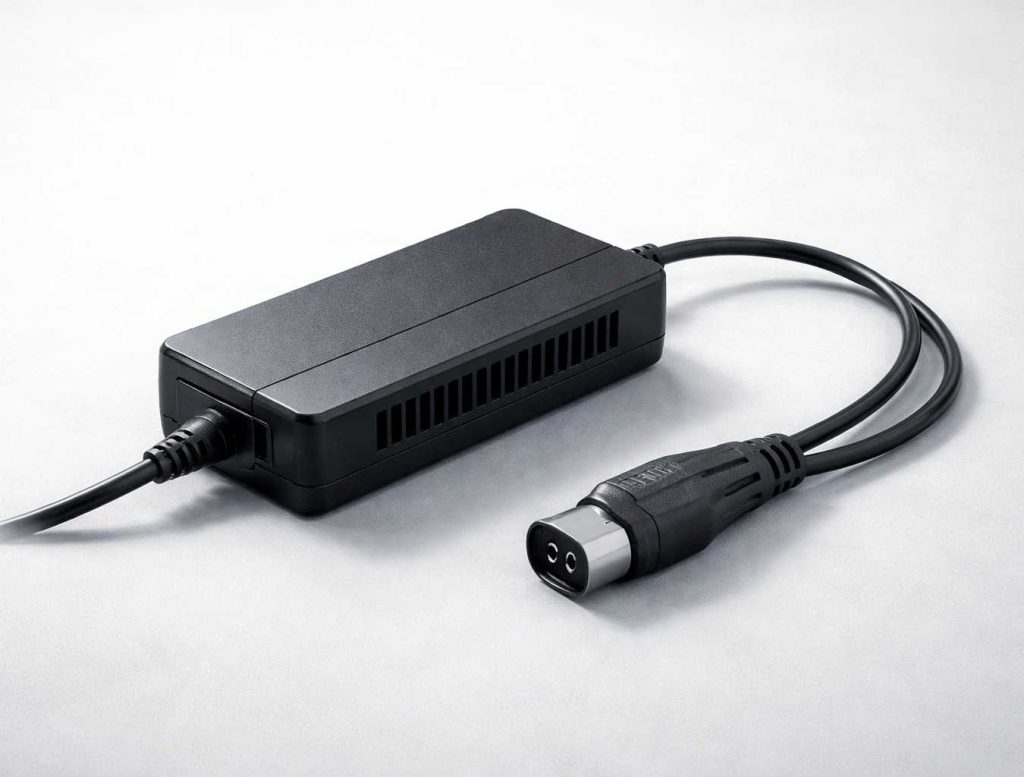
The standardization project, organized by the Ministry of Industry and Information Technology (MIIT), has been assigned to the Motorcycle Subcommittee of the National Automotive Standardization Technical Committee (TC114SC1). It is classified as a mandatory national standard and is expected to play a critical role in shaping future CCC certification requirements for related charging equipment. Electric motorcycle chargers usually require CCC certification in order to be approved for import and sale in China.
Draft Standard Scope and Technical Framework
The draft standard, titled Safety Requirements of Charger for Electric Motorcycles and Electric Mopeds, is currently in the drafting phase under plan number 20256781-Q-339. The development cycle is projected to last approximately 22 months, with an official initiation date scheduled for the end of 2025.
Leading industry stakeholders and testing bodies are involved in the drafting process, including major manufacturers and certification institutions such as Yadea Technology Group and the China Quality Certification Centre (CQC). Their participation indicates that the standard will likely incorporate both practical manufacturing considerations and established conformity assessment practices.
The regulation is expected to define key safety criteria for chargers, potentially addressing electrical protection, thermal management, charging performance, and compatibility with vehicle systems. It will align with China’s broader regulatory framework for electric motorcycles, which already includes standards for batteries, motors, and overall vehicle safety.
Implications for Manufacturers and Market Access
Once finalized and implemented, the standard is expected to become a mandatory basis for CCC certification of chargers used with electric motorcycles and mopeds. Manufacturers exporting to China or supplying the domestic market will need to ensure their products meet the specified safety requirements and undergo conformity assessment procedures through authorized certification bodies.
The introduction of this standard also complements a series of related regulatory developments, including ongoing projects for lithium-ion battery safety and fuel cell systems in electric two-wheelers. Together, these initiatives signal a comprehensive tightening of safety and performance requirements across the entire electric vehicle component ecosystem.
For manufacturers, early alignment with the upcoming requirements may help mitigate certification delays and support smoother market entry once enforcement begins. Additional technical details and implementation guidance are expected to be released as the standard progresses through consultation, review, and approval stages.
For more information on how CCC certification, the CCC Self-Declaration and voluntary CCAP or CQC certification may affect your company, or for more information about CCC certification in general, please visit our News Section where you will find current updates twice a week.
Please do not hesitate to contact us for further details and consultation. You can contact us via email, Chat, or call us (UK: +44 2071931135, Europe: +49 69 2713769150, US: +1 773 654-2673).
You can also check our free CCC-Brochure, which can be downloaded as a PDF file. The brochure also contains information on the CCC Self-Declaration and the voluntary CQC- and CCAP-Certification).
China Announces New Standard for Brake Lining Testing Method
China has published a new recommended national standard introducing a standardized CCC framework for brake lining testing methods in the automotive sector. The upcoming regulation, titled GB/T 46780-2025, establishes a metal pick-up test method specifically for disc brake linings and is scheduled to enter into force on July 1, 2026. The standard forms part of China’s broader CCC certification system, reinforcing technical requirements for automotive friction materials and supporting improved safety and performance verification.
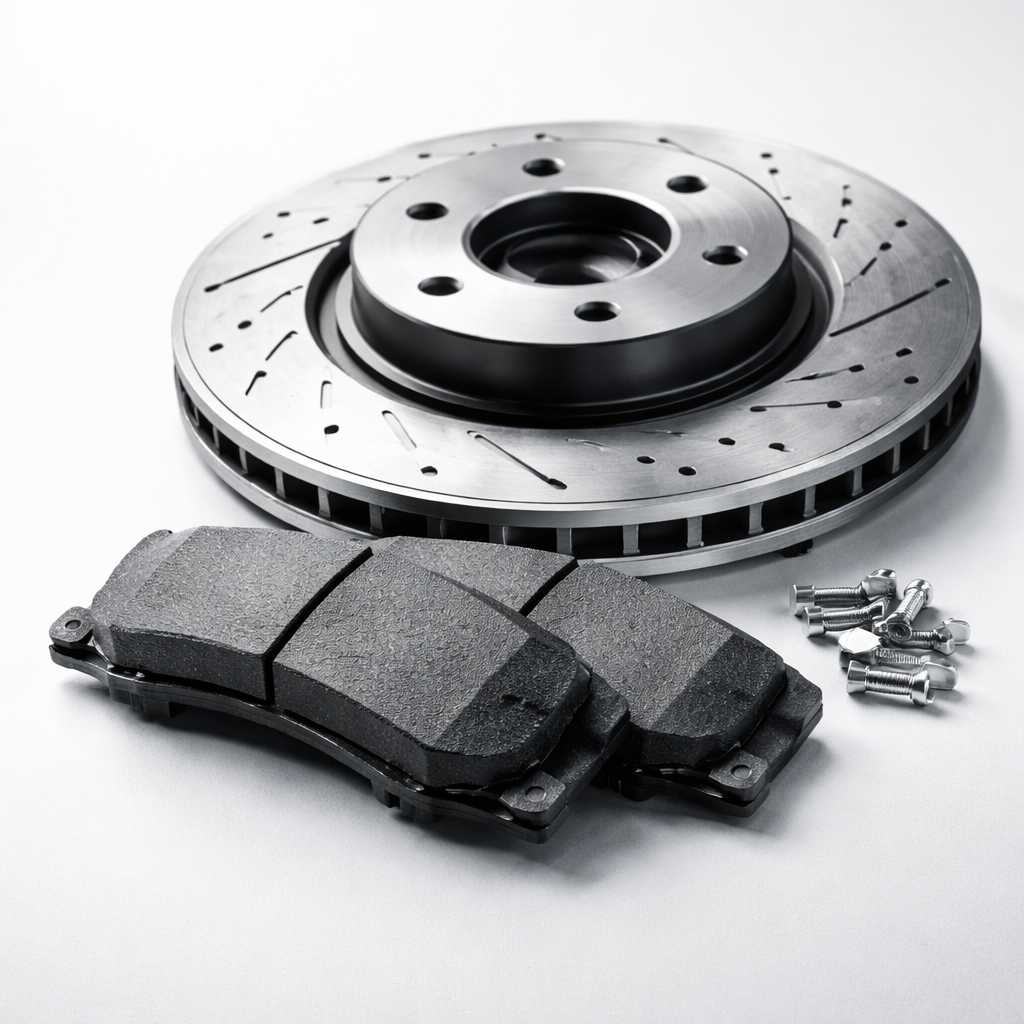
Developed under the jurisdiction of the National Technical Committee for Non-metallic Mineral Products and Products (TC406), the standard is administered by the China Building Materials Federation. It provides a unified test methodology for evaluating metal pick-up phenomena in disc brake linings, a critical factor influencing braking efficiency and component durability. Road vehicle brake lining friction materials usually require CCC certification in order to be approved for import and sale in China.
Standard Scope and Technical Framework
The new GB/T 46780-2025 standard defines a specific test method designed to assess the interaction between friction materials and metallic components during braking. The focus on metal pick-up characteristics reflects increasing regulatory attention on braking system reliability and wear behavior under operational conditions.
Classified under ICS 43.040.40, the standard aligns with existing regulatory frameworks governing automotive braking components. It complements a series of related standards covering friction performance, wear testing, shear strength, and thermal expansion of brake linings. Together, these standards form a comprehensive technical basis for evaluating brake system safety and performance within China’s regulatory environment.
The drafting of the standard involved multiple industry stakeholders, including testing institutions, automotive component manufacturers, and research organizations. This collaborative approach ensures that the methodology reflects both practical testing conditions and industry best practices.
Implications for Manufacturers and Market Access
The introduction of this test method signals a continued tightening of technical requirements for brake lining products entering the Chinese market. Manufacturers of automotive friction materials, particularly those supplying disc brake linings, will need to align their testing procedures with the new standard to demonstrate compliance.
Although the standard is categorized as recommended, it is expected to play a significant role in conformity assessment processes linked to CCC certification. Companies exporting to China should review their current testing protocols and ensure compatibility with the specified metal pick-up evaluation method ahead of the implementation date.
In addition, the standard’s integration with existing testing frameworks highlights the importance of a holistic compliance strategy, covering multiple aspects of brake performance and material integrity. Early preparation will be essential for avoiding delays in certification and market entry once the standard becomes effective.
Further regulatory updates and detailed implementation guidance may be made available through official standardization and certification channels.
For more information on how CCC certification, the CCC Self-Declaration and voluntary CCAP or CQC certification may affect your company, or for more information about CCC certification in general, please visit our News Section where you will find current updates twice a week.
Please do not hesitate to contact us for further details and consultation. You can contact us via email, Chat, or call us (UK: +44 2071931135, Europe: +49 69 2713769150, US: +1 773 654-2673).
You can also check our free CCC-Brochure, which can be downloaded as a PDF file. The brochure also contains information on the CCC Self-Declaration and the voluntary CQC- and CCAP-Certification).
China Introduces CCC Traceability QR Code for Power Banks
China’s National Certification and Accreditation Administration (CNCA) has announced a pilot reform affecting the CCC certification for power banks, introducing new requirements for certification mark management and product traceability. The reform aims to strengthen the compulsory certification system, improve product safety oversight, and reduce risks such as counterfeit certification marks and fraudulent certification practices.
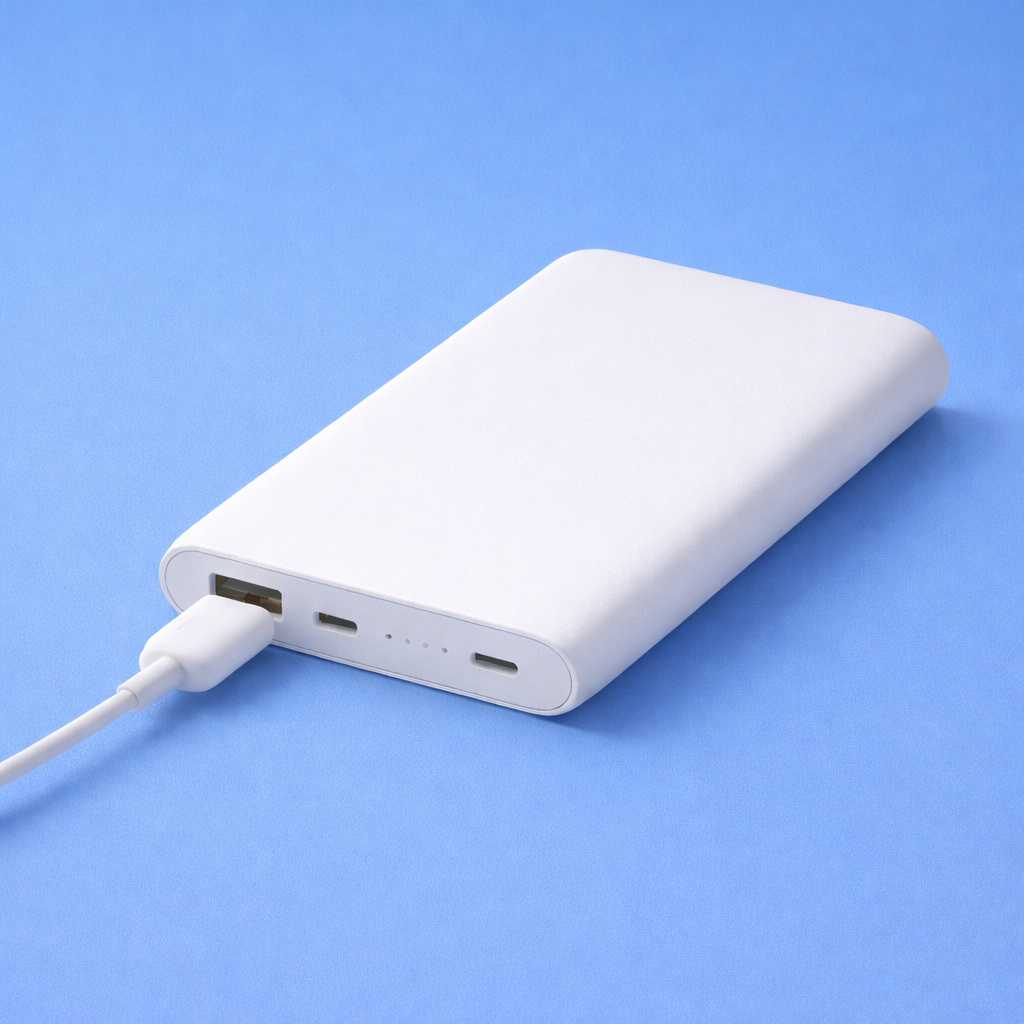
The announcement introduces updated specifications for the China Compulsory Certification (CCC) mark and additional traceability requirements for several product categories included in the mandatory certification catalogue. Among the pilot products are mobile power banks, electric bicycles and their safety accessories, as well as gas combustion appliances and related safety components.
Power banks usually require CCC certification in order to be approved for import and sale in China.
CCC Mark Reform Introduces Traceability QR Code
Under the pilot reform, certified power banks must display a traceability QR code positioned next to the CCC mark. The QR code must be adjacent to the CCC logo and clearly visible, forming an integrated marking element on the product or its label.
The QR code will follow official coding rules defined in China’s certification certificate management requirements or the standard specification for CCC traceability coding. Certification bodies designated by Chinese authorities will generate and provide the traceability QR codes when issuing CCC certificates or when organizing the printing of CCC marks.
When scanned, the QR code will allow regulators, distributors, and consumers to access verified certification information. This may include the CCC certificate number, manufacturer name, product model or specification, certification status, and the issuing certification body. The measure is designed to improve transparency in the supply chain and facilitate more efficient regulatory checks of certified products in the market.
Implementation Timeline and Compliance Obligations
The new marking requirements will be introduced in stages. Starting March 1, 2026, power banks that newly obtain CCC certification under the pilot program must include the traceability QR code alongside the CCC mark before they can be shipped, sold, imported, or used in commercial activities.
A broader transition deadline is set for March 1, 2027. From this date onward, all certified products within the pilot categories must comply with the new CCC mark specification with traceability QR codes. Products that were already certified and marked under the current CCC requirements before this deadline may continue circulating without modification until the transition date.
The CNCA also requires designated certification bodies to enhance their management systems and establish information platforms capable of verifying the traceability codes. Manufacturers holding CCC certification must implement internal procedures for mark usage and record keeping, ensuring that the QR code information remains consistent with certified product data.
For manufacturers and exporters of power banks, the reform highlights China’s growing focus on digital traceability and post-certification supervision within the CCC framework. Additional regulatory updates and certification guidance may be available through official certification bodies and regulatory information channels.
For more information on how CCC certification, the CCC Self-Declaration and voluntary CCAP or CQC certification may affect your company, or for more information about CCC certification in general, please visit our News Section where you will find current updates twice a week.
Please do not hesitate to contact us for further details and consultation. You can contact us via email, Chat, or call us (UK: +44 2071931135, Europe: +49 69 2713769150, US: +1 773 654-2673).
You can also check our free CCC-Brochure, which can be downloaded as a PDF file. The brochure also contains information on the CCC Self-Declaration and the voluntary CQC- and CCAP-Certification).
China Proposes CCC Standard for Three-Wheel Motorcycle Safety Belts
China is developing a new national standard addressing CCC certification for safety belts used in totally enclosed three-wheel motorcycles. The initiative reflects growing regulatory attention to occupant protection systems in small motor vehicles and aims to define technical requirements for safety belts and their anchorages in this specific vehicle category.
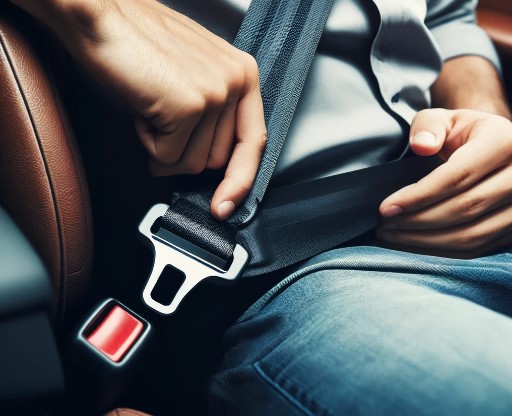
The planned mandatory national standard, titled Safety-belt Anchorages and Safety-belts of Totally Enclosed Three-Wheel Motorcycles, has been placed on the national standardization agenda under project number 20256783-Q-339. The project is organized by China’s Ministry of Industry and Information Technology (MIIT) and implemented by the Motorcycle Sub-committee of the National Technical Committee for Automobile Standardization (TC114SC1). Once completed, the standard will provide a technical framework covering the design, installation, and performance requirements for safety belts and their mounting points in enclosed three-wheel motorcycles. Safety belts usually require CCC certification in order to be approved for import and sale in China.
Development of a New Mandatory Safety Standard
The new standard is currently in the drafting phase and is expected to follow China’s typical national standard development process, which includes drafting, public consultation, technical review, approval, and formal publication. According to the official standardization plan, the project has an estimated development cycle of approximately 22 months and was scheduled on December 31, 2025.
The scope of the regulation focuses on vehicles classified as totally enclosed three-wheel motorcycles—models that incorporate a closed cabin structure similar to small passenger vehicles. Because such vehicles provide seating positions within a cabin environment, regulators are addressing the need for dedicated occupant restraint systems comparable to those found in conventional automobiles.
Several organizations are participating in the drafting process. These include the Shanghai Motor Vehicle Inspection Certification Technology Innovation Center, Tianjin Internal Combustion Engine Research Institute (Tianjin Motorcycle Technical Center), China Testing & Inspection Western Testing Co., Ltd., Yadea Technology Group Co., Ltd., and Aima Technology Group Co., Ltd. Their involvement suggests that both testing institutions and leading manufacturers are contributing technical expertise to the proposed requirements.
Implications for Manufacturers and Market Access
For manufacturers and suppliers, the upcoming standard signals a potential expansion of regulatory oversight related to occupant protection in specialized motorcycle categories. Once finalized, the standard is expected to define technical criteria for safety belt systems and anchorage points, which may influence vehicle design, component selection, and compliance testing procedures.
Companies producing enclosed three-wheel motorcycles for the Chinese market may need to ensure that their restraint systems comply with the technical requirements specified in the future national standard. In addition, manufacturers of safety belt components may need to demonstrate conformity with applicable CCC certification procedures once the regulation becomes effective.
The introduction of such requirements could also support improved product safety and regulatory alignment within China’s vehicle sector, particularly as enclosed three-wheel motorcycles become more widely used in urban mobility and short-distance transportation.
Further updates on the development and final adoption of the standard may emerge as the drafting process progresses and consultation stages are completed through China’s national standardization system.
For more information on how CCC certification, the CCC Self-Declaration and voluntary CCAP or CQC certification may affect your company, or for more information about CCC certification in general, please visit our News Section where you will find current updates twice a week.
Please do not hesitate to contact us for further details and consultation. You can contact us via email, Chat, or call us (UK: +44 2071931135, Europe: +49 69 2713769150, US: +1 773 654-2673).
You can also check our free CCC-Brochure, which can be downloaded as a PDF file. The brochure also contains information on the CCC Self-Declaration and the voluntary CQC- and CCAP-Certification).
 We are part of the CERTANIA-Group.