


Schließen


China Updates CCC Framework for EV Charging Cables and Launches Traceability Pilot for E-Bike Products
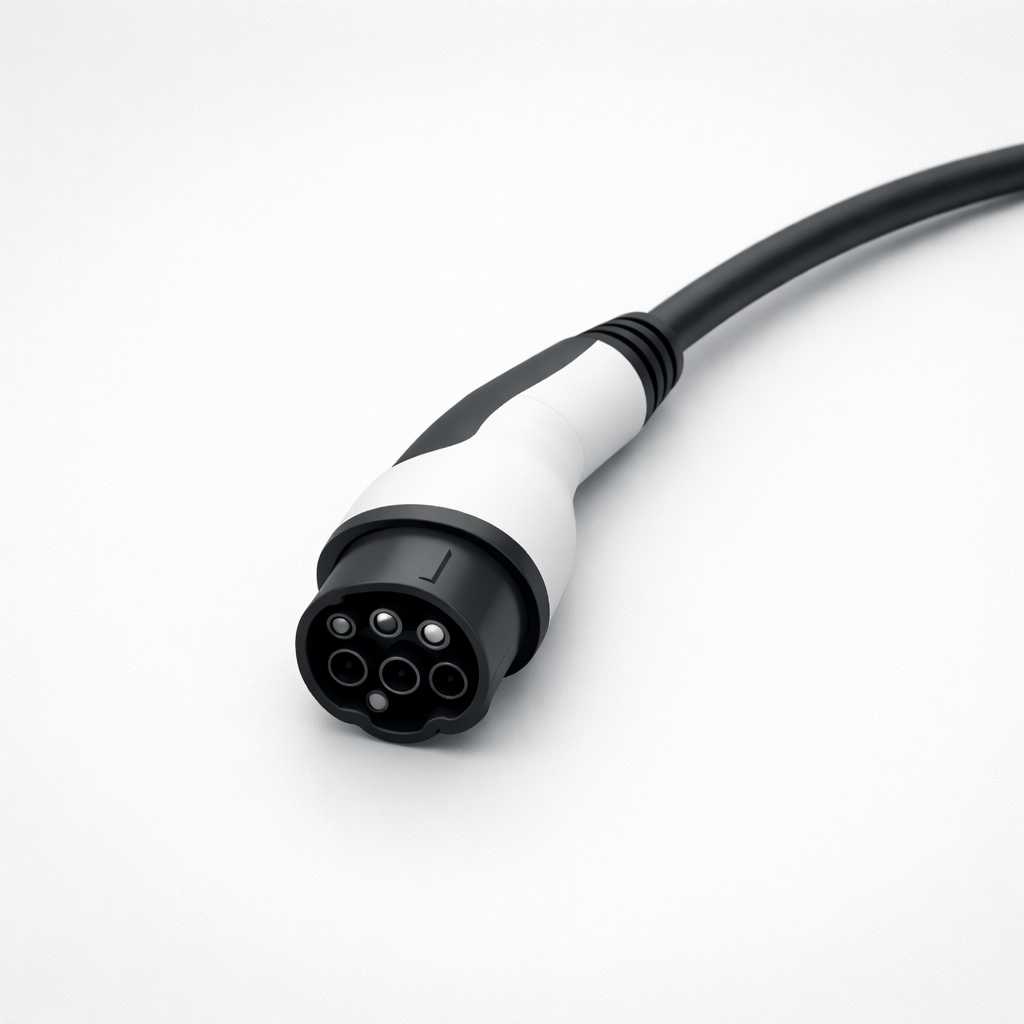
China has introduced updated regulatory requirements affecting both electric vehicle charging cables and selected electric bicycle products under the China Compulsory Certification (CCC) system. The standard GB/T 33594-2025, titled “Cables for Charging Electric Vehicles,” was issued on October 5, 2025, and will take effect on May 1, 2026, replacing GB/T 33594-2017 . In response, the China Quality Certification Center (CQC) has revised its certification rules, specifically CQC11-463426-2024, which apply to cable safety certification for conductive charging systems for electric vehicles. The updates include adoption of the new standard as the certification basis, changes to unit classification and type testing sample requirements, and adjusted factory quality assurance and testing provisions. CQC began accepting applications under the new standard upon publication of the notice and will discontinue issuance of certificates based on the previous version after May 1, 2026. Holders of existing certificates must apply for conversion, submit differential test reports for each product series, and complete the transition by April 30, 2027. Certificates not converted within the prescribed timeline will be suspended and ultimately revoked. Electric vehicle charging cables require CCC certification in order to be approved for import and sale in China.
Separately, the China Automobile Certification Center Co., Ltd. (CCAP) has announced the implementation of a CCC pilot reform introducing mandatory product traceability markings for selected electric bicycle-related products. The pilot covers electric bicycles, lithium-ion batteries for electric bicycles, chargers, and occupant helmets. Under the new requirements, the CCC mark must be displayed together with a traceable QR code, either as a standard mark issued by CCAP or as a printed/molded version produced by certified organizations in accordance with specified design, size, and management rules. Newly certified products must comply with the traceability marking requirements starting March 1, 2026, while all previously certified products within the pilot scope must implement the QR code marking by March 1, 2027. Certified organizations are required to ensure one-to-one correspondence between certificates and QR codes, establish a mark usage management system, and maintain proper records to guarantee traceability and regulatory compliance under the CCC framework.
For more information on how CCC certification, the CCC Self-Declaration and voluntary CCAP or CQC certification may affect your company, or for more information about CCC certification in general, please visit our News Section where you will find current updates twice a week.
Please do not hesitate to contact us for further details and consultation. You can contact us via email, Chat, or call us (UK: +44 2071931135, Europe: +49 69 2713769150, US: +1 773 654-2673).
You can also check our free CCC-Brochure, which can be downloaded as a PDF file. The brochure also contains information on the CCC Self-Declaration and the voluntary CQC- and CCAP-Certification).
Planned Taiwan VSTD Updates for Vehicle Lighting Standards
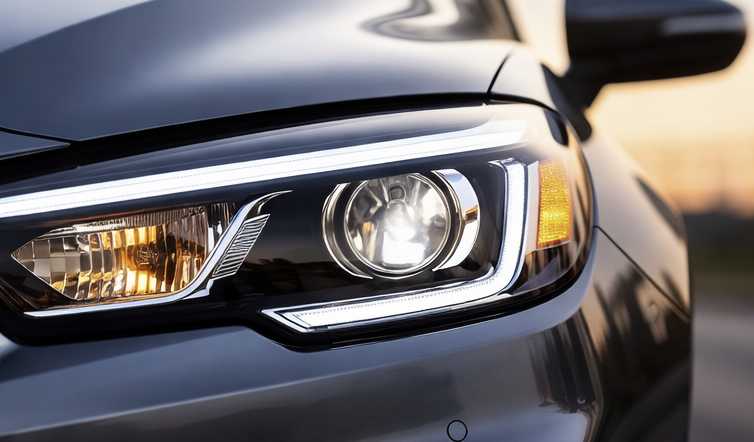
Taiwan has announced that new VSTD requirements for vehicle lighting will be released soon, updating national rules to reflect recent United Nations regulatory revisions. The upcoming package covers installation rules for lighting and light-signalling devices as well as multiple categories of signalling, road illumination, and retro-reflective equipment, each mapped to corresponding UN standards. The announced texts include VSTD 03-6 for the installation of lighting and light-signalling devices (equivalent to UN R48 S08 Suppl.4), VSTD 91-1 for light signalling devices (equivalent to UN R148 S01 Suppl.1), VSTD 92-1 for road illumination devices (equivalent to UN R149 S01 Suppl.2), and VSTD 93-1 for retro-reflective devices (equivalent to UN R150 S01 Suppl.1). Vehicle lighting usually require VSCC certification in order to be approved for import and sale in Taiwan.
In order to import products into Taiwan, it must be ensured that they meet Taiwanese safety and quality standards. This is ensured by specific, product-dependent certifications, which certify that the products comply with the relevant regulations in Taiwan. The Vehicle Safety and Certification Center (VSCC) is responsible for vehicles and products in the automotive industry in Taiwan. The authority was established in 2009 by the Ministry of Transport and Communications in the Taiwanese city of Lugang. In its scope, the certifications for Taiwan are similar to the Chinese CCC and CEL certifications.
MPR China Certification GmbH has many years of experience in Taiwan certification and competent local partners. We will be pleased to advise you without obligation about the scope and procedure of a Taiwan certification.
Please do not hesitate to contact us for further details and consultation. You can contact us via e-mail, or call us (UK: +44 2071931135, Rest of Europe: +49 69 2713769150, US: +1 773 654-2673).
You can also check out our free Taiwan-Brochure, which can be downloaded right here.
Please don’t hesitate to also use our chat-window in the bottom right corner if you have any questions. (Please check your browser settings if you can’t see the window)
China Advances National Standards for Hydrogen and Vehicle Safety Technologies
China is advancing several national standardization projects related to the safety and testing of road vehicles, particularly those using hydrogen and new energy technologies. Among them, GB/T 24549-2020 Fuel Cell Electric Vehicles—Safety Requirements specifies safety provisions for fuel cell electric vehicles at the vehicle and system levels. The standard is organized by the Ministry of Industry and Information Technology and implemented by the Electric Vehicle Subcommittee of the National Automotive Standardization Technical Committee, with major contributors including China Automotive Technology and Research Center, Tongji University, and Zhejiang University. In parallel, a national standard plan for Hydrogen Internal Combustion Engine for Vehicle—Safety Requirements is under development, defining safety requirements for hydrogen-fueled engines used in vehicles and involving multiple domestic automakers and testing institutions. There are various requirements for e-mobility in China, which must be met by the respective vehicle or component manufacturers.
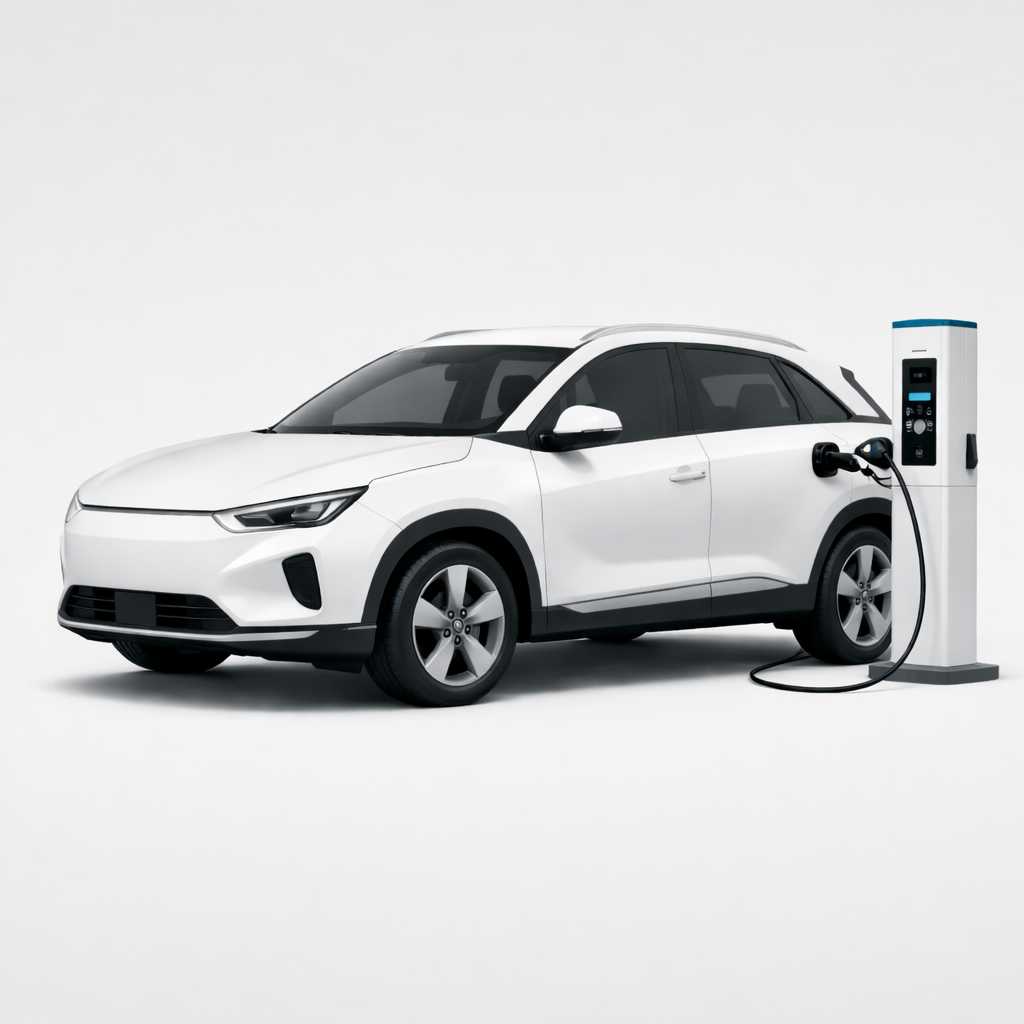
Further standardization efforts include the draft national standard Road Vehicles—Compressed Gaseous Hydrogen (CGH2) and Hydrogen/Natural Gas Blends Fuel Systems—Part 2: Test Methods, which focuses on harmonizing test methodologies for hydrogen and blended fuel systems and is led by the Gas-Fueled Vehicle Subcommittee under the National Automotive Standardization Technical Committee. Another draft standard, Simulation Validation Method for Lateral Dynamic Stability of Vehicle Combinations, aims to establish unified simulation and validation approaches for evaluating lateral dynamic stability of vehicle combinations, with participation from universities, testing centers, and major vehicle manufacturers.
For more information on how CCC certification, the CCC Self-Declaration and voluntary CCAP or CQC certification may affect your company, or for more information about CCC certification in general, please visit our News Section where you will find current updates twice a week.
Please do not hesitate to contact us for further details and consultation. You can contact us via email, Chat, or call us (UK: +44 2071931135, Europe: +49 69 2713769150, US: +1 773 654-2673).
You can also check our free CCC-Brochure, which can be downloaded as a PDF file. The brochure also contains information on the CCC Self-Declaration and the voluntary CQC- and CCAP-Certification).
China Advances National Standards for Electric Vehicle Battery Technologies -new Standards GB/T 38661-2020 and GB/T 31484-2015
China has recently reaffirmed and expanded its national standardization work for electric vehicle battery technologies, covering battery management systems, performance durability, recycling safety, and emerging solid-state battery components. Several standards fall under the administration of the Ministry of Industry and Information Technology and are managed by the National Automotive Standardization Technical Committee and its Electric Vehicle Subcommittee. These initiatives reflect China’s continued effort to regulate the full life cycle of traction batteries, from in-vehicle performance and safety to end-of-life dismantling and advanced material applications. Batteries and battery production equipment and components usually require CCC certification or battery registration in order to be approved for import and sale in China.
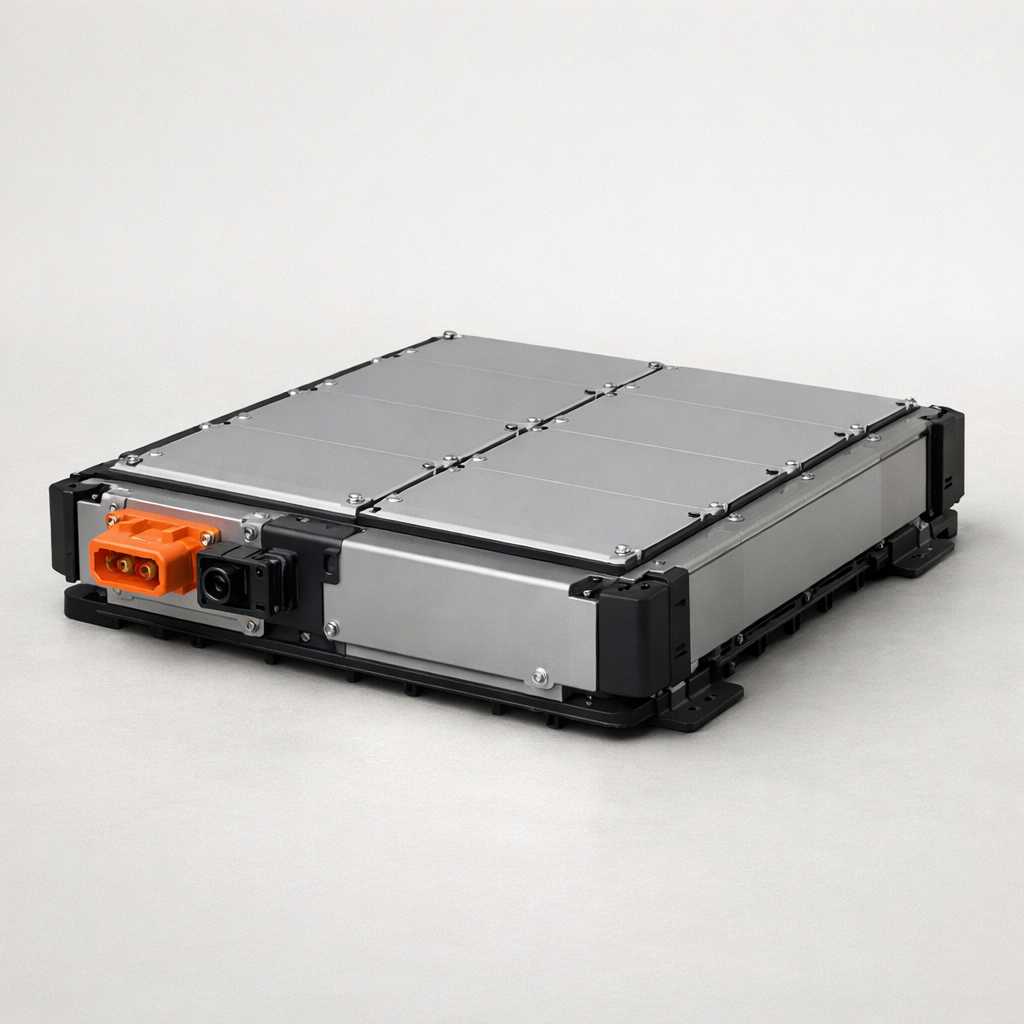
Among the relevant standards, GB/T 38661-2020 specifies technical requirements for battery management systems used in electric vehicles, while GB/T 31484-2015 defines cycle life requirements and corresponding test methods for traction batteries. In addition, a draft national standard on safety requirements for dismantling and crushing traction batteries is currently under development, alongside a draft technical specification for solid electrolytes used in solid-state batteries for electric vehicles, which is planned to take effect immediately upon release. These standards are being developed with contributions from major industry stakeholders, including leading battery manufacturers, automotive research institutes, and recycling technology companies, underscoring broad industry participation in shaping China’s regulatory framework for advanced battery technologies.
For more information on how CCC certification, the CCC Self-Declaration and voluntary CCAP or CQC certification may affect your company, or for more information about CCC certification in general, please visit our News Section where you will find current updates twice a week.
Please do not hesitate to contact us for further details and consultation. You can contact us via email, Chat, or call us (UK: +44 2071931135, Europe: +49 69 2713769150, US: +1 773 654-2673).
You can also check our free CCC-Brochure, which can be downloaded as a PDF file. The brochure also contains information on the CCC Self-Declaration and the voluntary CQC- and CCAP-Certification).
 We are part of the CERTANIA-Group.