



China Releases New Battery Product Identification Standard GB/T 47591-2026
14. May 2026China’s latest regulatory update introduces new requirements for battery products under the framework of GB/T 47591-2026, focusing on standardized labeling and electronic identification for power batteries used in road vehicles. The announcement forms part of a broader release of 384 recommended national standards approved by the State Administration for Market Regulation (SAMR) and the Standardization Administration of China. The update reinforces regulatory oversight of battery traceability and product information transparency across the Chinese market. Battery products usually require CCC certification and/or battery registration in order to be approved for import and sale in China.
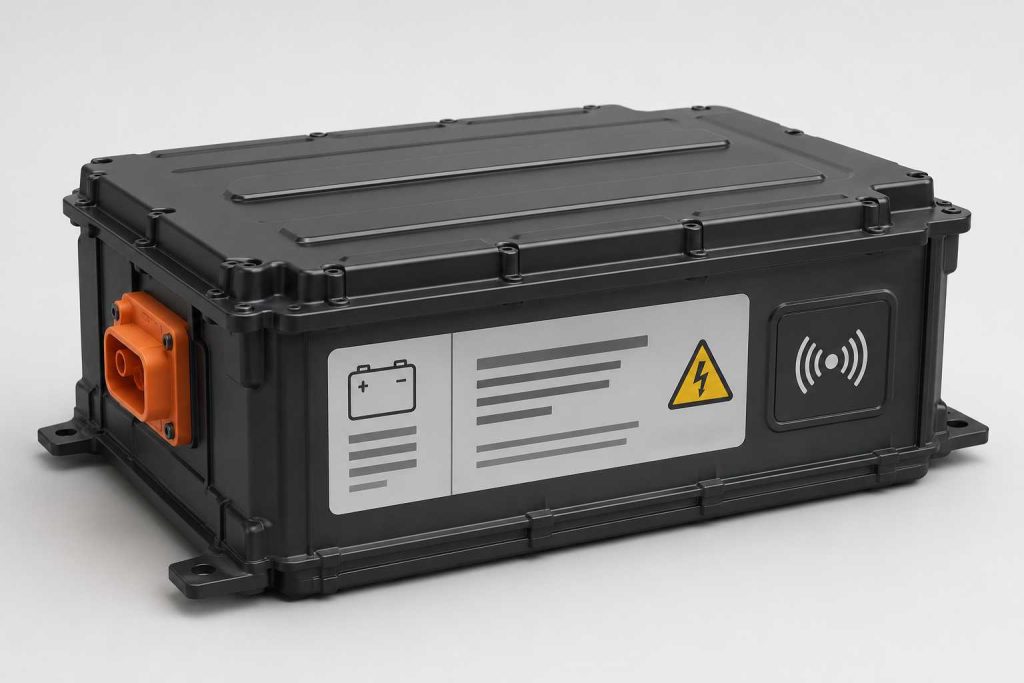
New Standard for Battery Labeling and Electronic Identification
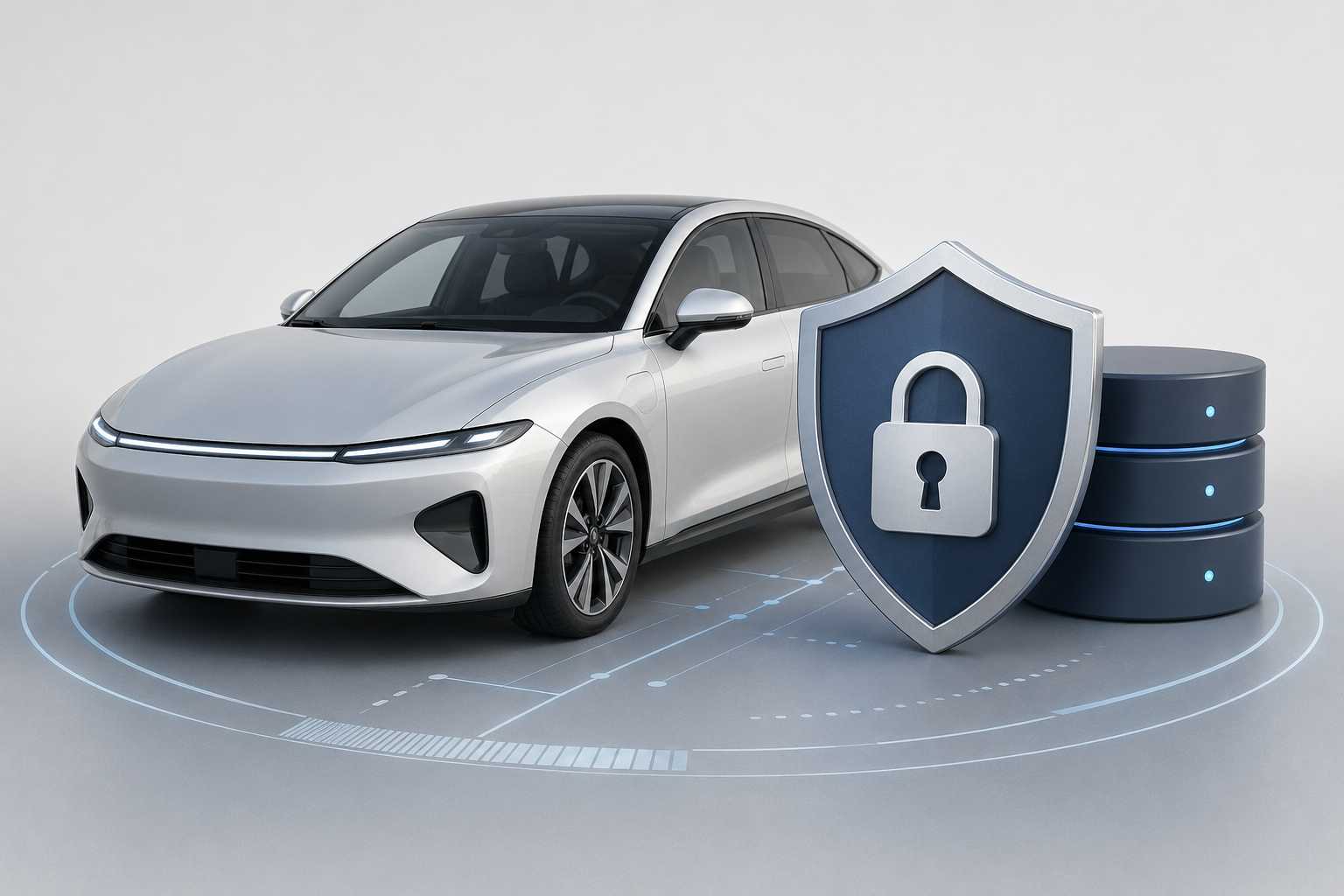
The newly approved standard, GB/T 47591-2026, establishes technical specifications for product nameplates, labels, and electronic identification systems applied to traction batteries in road vehicles. It defines the type, format, and content of information that must be clearly displayed or digitally embedded within battery systems. This includes key data points such as manufacturer details, product specifications, safety warnings, and traceability identifiers.
The inclusion of electronic identification reflects China’s increasing emphasis on digital traceability and lifecycle management of battery products. By standardizing both physical and digital labeling elements, the regulation aims to enhance consistency across manufacturers and improve regulatory supervision capabilities. The implementation date for this standard is set for April 30, 2026, providing stakeholders with a defined timeline for compliance preparation.
Compliance Implications for Market Access
Although GB/T standards are categorized as recommended rather than mandatory, they often play a significant role in supporting conformity assessment processes, including CCC certification and battery registration requirements. Manufacturers and exporters of battery products intended for the Chinese automotive sector should assess alignment with the new labeling and identification specifications to ensure smooth certification and market entry.
Failure to adopt standardized labeling practices may lead to complications during product approval, customs clearance, or post-market surveillance. Additionally, companies integrating advanced battery systems into vehicles should consider how electronic identification requirements interact with broader regulatory frameworks, including safety, recycling, and data management policies.
This regulatory development highlights China’s continued efforts to strengthen governance over battery technologies, particularly in the context of electric mobility and supply chain transparency. Further details on implementation and related certification procedures may be available through official regulatory publications and certification body updates.
For more information on how CCC certification, Battery Registration for China, the CCC Self-Declaration and voluntary CCAP or CQC certification may affect your company, or for more information about CCC certification in general, please visit our News Section where you will find current updates twice a week.
Please do not hesitate to contact us for further details and consultation. You can contact us via email, Chat, or call us (UK: +44 2071931135, Europe: +49 69 2713769150, US: +1 773 654-2673).
You can also check our free CCC-Brochure, which can be downloaded as a PDF file. The brochure also contains information on the CCC Self-Declaration and the voluntary CQC- and CCAP-Certification).