



China Introduces CCC Traceability QR Code for Power Banks
12. March 2026China’s National Certification and Accreditation Administration (CNCA) has announced a pilot reform affecting the CCC certification for power banks, introducing new requirements for certification mark management and product traceability. The reform aims to strengthen the compulsory certification system, improve product safety oversight, and reduce risks such as counterfeit certification marks and fraudulent certification practices.
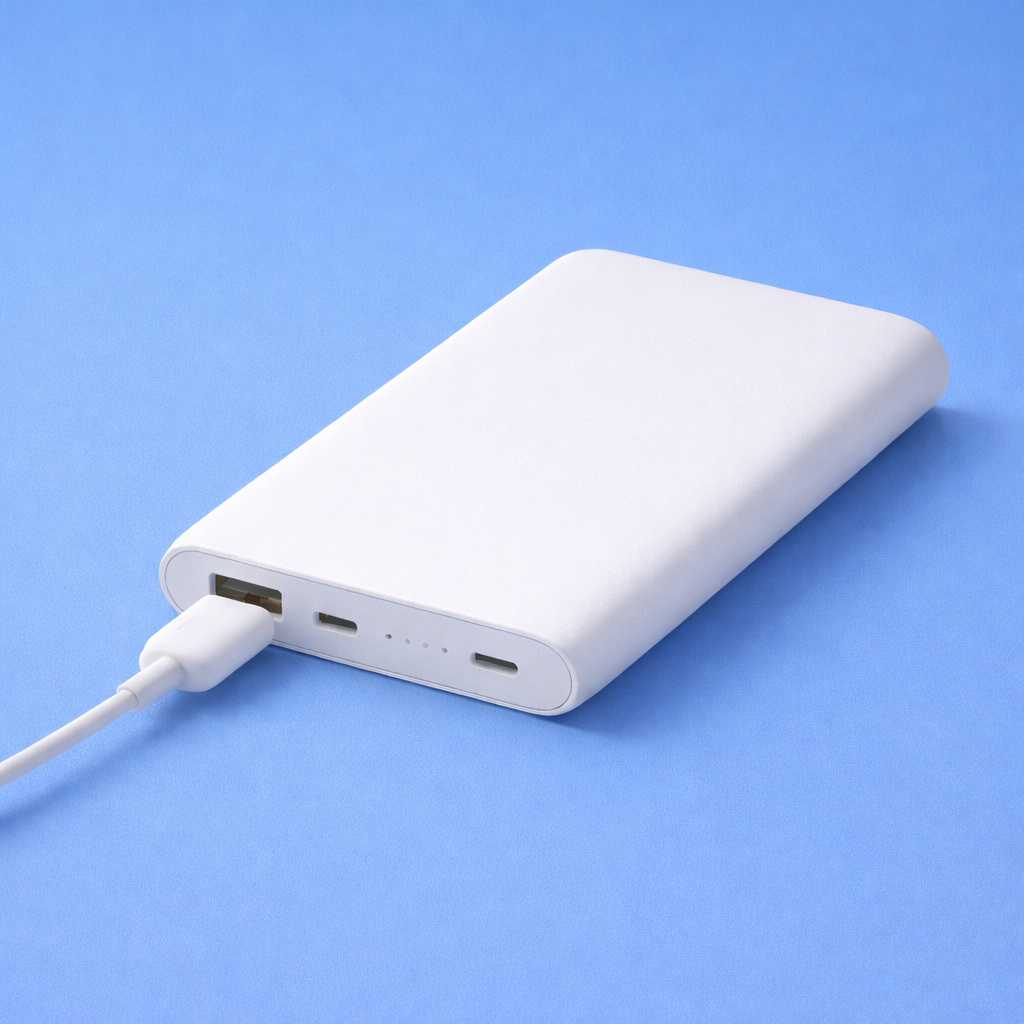
The announcement introduces updated specifications for the China Compulsory Certification (CCC) mark and additional traceability requirements for several product categories included in the mandatory certification catalogue. Among the pilot products are mobile power banks, electric bicycles and their safety accessories, as well as gas combustion appliances and related safety components.
Power banks usually require CCC certification in order to be approved for import and sale in China.
CCC Mark Reform Introduces Traceability QR Code
Under the pilot reform, certified power banks must display a traceability QR code positioned next to the CCC mark. The QR code must be adjacent to the CCC logo and clearly visible, forming an integrated marking element on the product or its label.
The QR code will follow official coding rules defined in China’s certification certificate management requirements or the standard specification for CCC traceability coding. Certification bodies designated by Chinese authorities will generate and provide the traceability QR codes when issuing CCC certificates or when organizing the printing of CCC marks.
When scanned, the QR code will allow regulators, distributors, and consumers to access verified certification information. This may include the CCC certificate number, manufacturer name, product model or specification, certification status, and the issuing certification body. The measure is designed to improve transparency in the supply chain and facilitate more efficient regulatory checks of certified products in the market.
Implementation Timeline and Compliance Obligations
The new marking requirements will be introduced in stages. Starting March 1, 2026, power banks that newly obtain CCC certification under the pilot program must include the traceability QR code alongside the CCC mark before they can be shipped, sold, imported, or used in commercial activities.
A broader transition deadline is set for March 1, 2027. From this date onward, all certified products within the pilot categories must comply with the new CCC mark specification with traceability QR codes. Products that were already certified and marked under the current CCC requirements before this deadline may continue circulating without modification until the transition date.
The CNCA also requires designated certification bodies to enhance their management systems and establish information platforms capable of verifying the traceability codes. Manufacturers holding CCC certification must implement internal procedures for mark usage and record keeping, ensuring that the QR code information remains consistent with certified product data.
For manufacturers and exporters of power banks, the reform highlights China’s growing focus on digital traceability and post-certification supervision within the CCC framework. Additional regulatory updates and certification guidance may be available through official certification bodies and regulatory information channels.
For more information on how CCC certification, the CCC Self-Declaration and voluntary CCAP or CQC certification may affect your company, or for more information about CCC certification in general, please visit our News Section where you will find current updates twice a week.
Please do not hesitate to contact us for further details and consultation. You can contact us via email, Chat, or call us (UK: +44 2071931135, Europe: +49 69 2713769150, US: +1 773 654-2673).
You can also check our free CCC-Brochure, which can be downloaded as a PDF file. The brochure also contains information on the CCC Self-Declaration and the voluntary CQC- and CCAP-Certification).