



China Announces New Standard for Brake Lining Testing Method
19. March 2026China has published a new recommended national standard introducing a standardized CCC framework for brake lining testing methods in the automotive sector. The upcoming regulation, titled GB/T 46780-2025, establishes a metal pick-up test method specifically for disc brake linings and is scheduled to enter into force on July 1, 2026. The standard forms part of China’s broader CCC certification system, reinforcing technical requirements for automotive friction materials and supporting improved safety and performance verification.
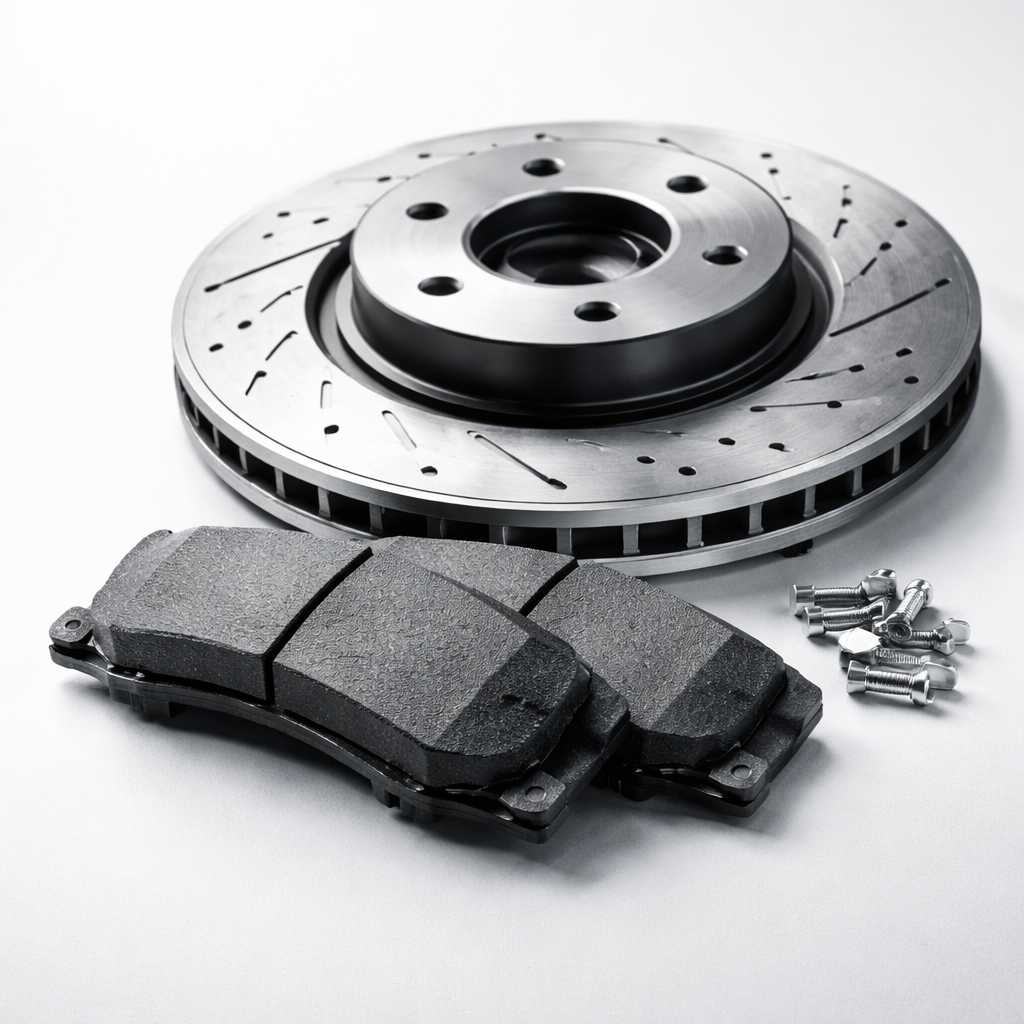
Developed under the jurisdiction of the National Technical Committee for Non-metallic Mineral Products and Products (TC406), the standard is administered by the China Building Materials Federation. It provides a unified test methodology for evaluating metal pick-up phenomena in disc brake linings, a critical factor influencing braking efficiency and component durability. Road vehicle brake lining friction materials usually require CCC certification in order to be approved for import and sale in China.
Standard Scope and Technical Framework
The new GB/T 46780-2025 standard defines a specific test method designed to assess the interaction between friction materials and metallic components during braking. The focus on metal pick-up characteristics reflects increasing regulatory attention on braking system reliability and wear behavior under operational conditions.
Classified under ICS 43.040.40, the standard aligns with existing regulatory frameworks governing automotive braking components. It complements a series of related standards covering friction performance, wear testing, shear strength, and thermal expansion of brake linings. Together, these standards form a comprehensive technical basis for evaluating brake system safety and performance within China’s regulatory environment.
The drafting of the standard involved multiple industry stakeholders, including testing institutions, automotive component manufacturers, and research organizations. This collaborative approach ensures that the methodology reflects both practical testing conditions and industry best practices.
Implications for Manufacturers and Market Access
The introduction of this test method signals a continued tightening of technical requirements for brake lining products entering the Chinese market. Manufacturers of automotive friction materials, particularly those supplying disc brake linings, will need to align their testing procedures with the new standard to demonstrate compliance.
Although the standard is categorized as recommended, it is expected to play a significant role in conformity assessment processes linked to CCC certification. Companies exporting to China should review their current testing protocols and ensure compatibility with the specified metal pick-up evaluation method ahead of the implementation date.
In addition, the standard’s integration with existing testing frameworks highlights the importance of a holistic compliance strategy, covering multiple aspects of brake performance and material integrity. Early preparation will be essential for avoiding delays in certification and market entry once the standard becomes effective.
Further regulatory updates and detailed implementation guidance may be made available through official standardization and certification channels.
For more information on how CCC certification, the CCC Self-Declaration and voluntary CCAP or CQC certification may affect your company, or for more information about CCC certification in general, please visit our News Section where you will find current updates twice a week.
Please do not hesitate to contact us for further details and consultation. You can contact us via email, Chat, or call us (UK: +44 2071931135, Europe: +49 69 2713769150, US: +1 773 654-2673).
You can also check our free CCC-Brochure, which can be downloaded as a PDF file. The brochure also contains information on the CCC Self-Declaration and the voluntary CQC- and CCAP-Certification).